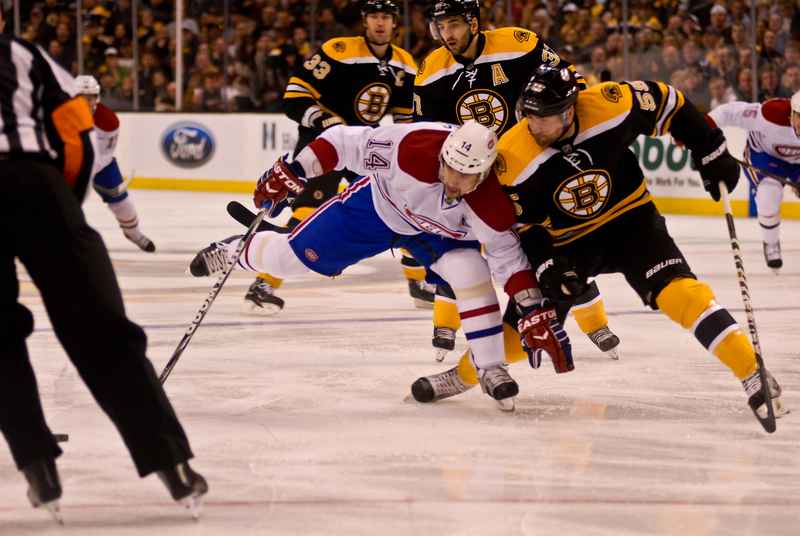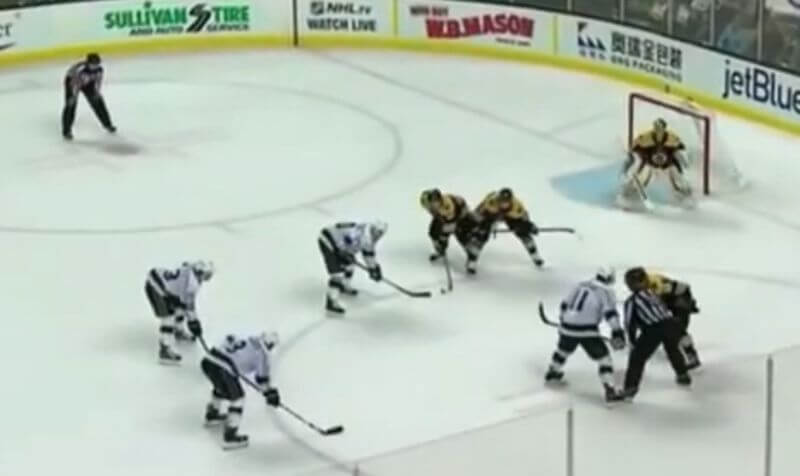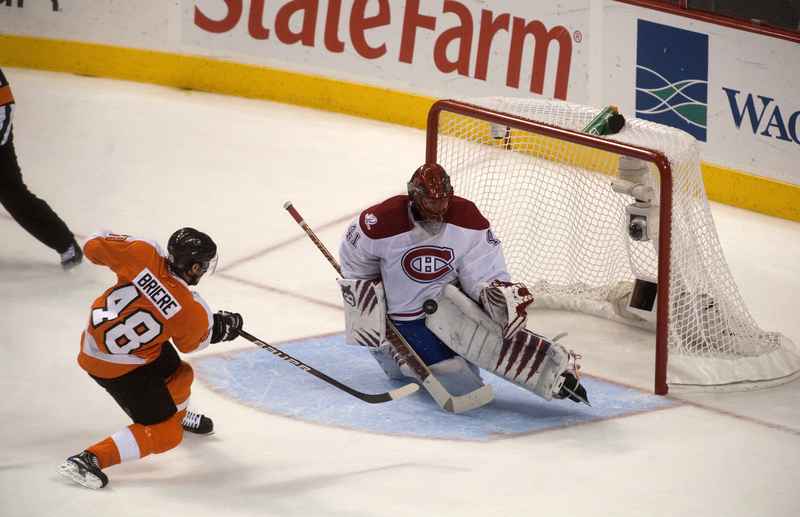
In ice hockey games, the plus-minus (+/-) statistic evaluates how many goals vs. how many goals are given up by a player when playing on the ice. While there is some controversy on the importance of the statistic, it is still good for fans to understand why teams track this stat line. Here is the […]
Tag Archives: Question and Answer
Hockey is a game of fast and continuous action while the play clock runs down in the background. Like football’s halftime break drawing a pause to the game’s action, hockey has something similar with their intermission. Here is the complete breakdown of the hockey intermission purpose, how long it lasts, and more! What is the […]
In ice hockey, PIM stands for Penalty Infraction Minutes. This statistic tracks how many penalty minutes each player (or team) accrues throughout a game. PIM doesn’t take into consideration how long a player served their penalty. Instead, it focuses on how many minutes each player was assigned. How is PIM Calculated in Hockey? The PIM […]
An icing penalty prevents players from dumping the puck into the offensive zone, past the goal line in ice hockey. This rule is unique to hockey and often confuses new fans who might not be familiar with the penalty. Here are some of the basics you need to know about icing so that you won’t […]
A natural hat trick occurs when an ice hockey player scores three consecutive goals in a single game. A natural hat trick can occur across multiple periods as long as nobody else scores goals, including having one in an overtime period. However, a natural hat trick does not take place if the goal comes from […]
In ice hockey, a power-play happens after a player on the other team commits a penalty that causes them to serve time in the penalty box. During the time of the penalty, one team is short one player. The opposing team benefits from a power play because they have more players on the ice, giving […]
- 1
- 2